Education · 6 min read · August 11, 2026
Natural vs artificial colors and flavors in gummies.
Why we color our gummies with fruit and vegetable concentrates instead of Red 40 — and what that trade-off actually costs.
Two gummies can list the same active ingredient and still be built very differently. A lot of that difference sits in the parts nobody markets: what makes the gummy taste like fruit, and what makes it look like fruit. Here's the honest version of how natural and artificial colors and flavors compare, and why we picked the side we did.
What the label terms actually mean
"Natural flavor" means the flavor compounds were derived from a plant or animal source — a fruit, a spice, a bark, an essential oil — rather than synthesized from petrochemical feedstocks. "Artificial flavor" means the same molecule (or a close cousin) was built in a lab.
Color works the same way. Natural colors come from concentrates: beet and purple carrot for red and pink, turmeric and annatto for yellow and orange, spirulina for blue and green. Artificial colors are certified synthetic dyes with numbered names — Red 40, Yellow 5, Yellow 6, Blue 1.
One important caveat: "natural" is not the same as "minimally processed." A natural flavor system is still a formulated ingredient. It just starts from a plant.
Why the color question keeps coming up
Synthetic dyes have been under steady regulatory and consumer scrutiny for years, and a lot of large food brands have voluntarily reformulated away from them. The FDA maintains a public list of color additives approved for food use, along with the specifications and restrictions for each.
We're not going to tell you a synthetic dye will harm you — that's not a claim we can make, and the honest scientific picture is more nuanced than either side of the internet argument suggests. What we will say is that the dye adds nothing to the product except a brighter color, and plenty of people would rather not consume ingredients that exist purely for appearance.
What natural color costs a manufacturer
Natural colors are harder to work with. Beet fades under heat and light. Spirulina blue is famously fragile. Turmeric stains everything it touches and drifts toward brown over a long shelf life. Synthetic dyes hold their exact shade for years and cost a fraction as much.
The practical consequence for you: our gummies can look slightly different from batch to batch. A summer batch may be a shade lighter than a winter one. That variation is a signal that the color came from a plant, not a defect.
Flavor: fruit-derived versus synthesized
Artificial flavor systems are engineered to be loud. They hit fast, taste unmistakably like "candy strawberry," and cover almost anything underneath them — which is convenient when your active ingredient tastes bitter, earthy, or metallic.
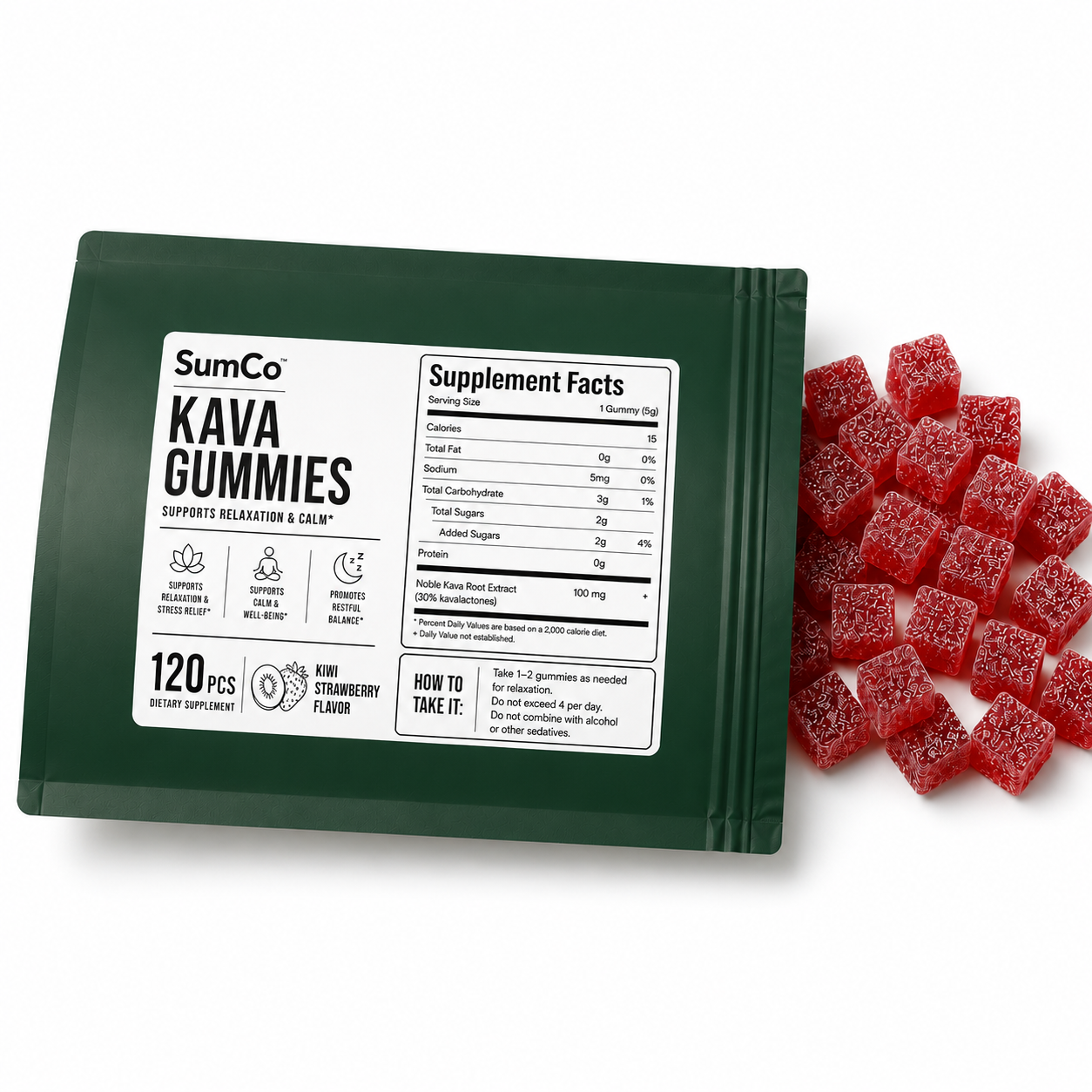
Natural flavor is quieter and rounder. It reads closer to actual fruit and it doesn't fully mask what's behind it. That means the formula has to be built well in the first place instead of buried under flavor. We think that's a feature, and it's why our kava gummy tastes like kiwi strawberry rather than like a fruit punch fog.
What SumCo uses
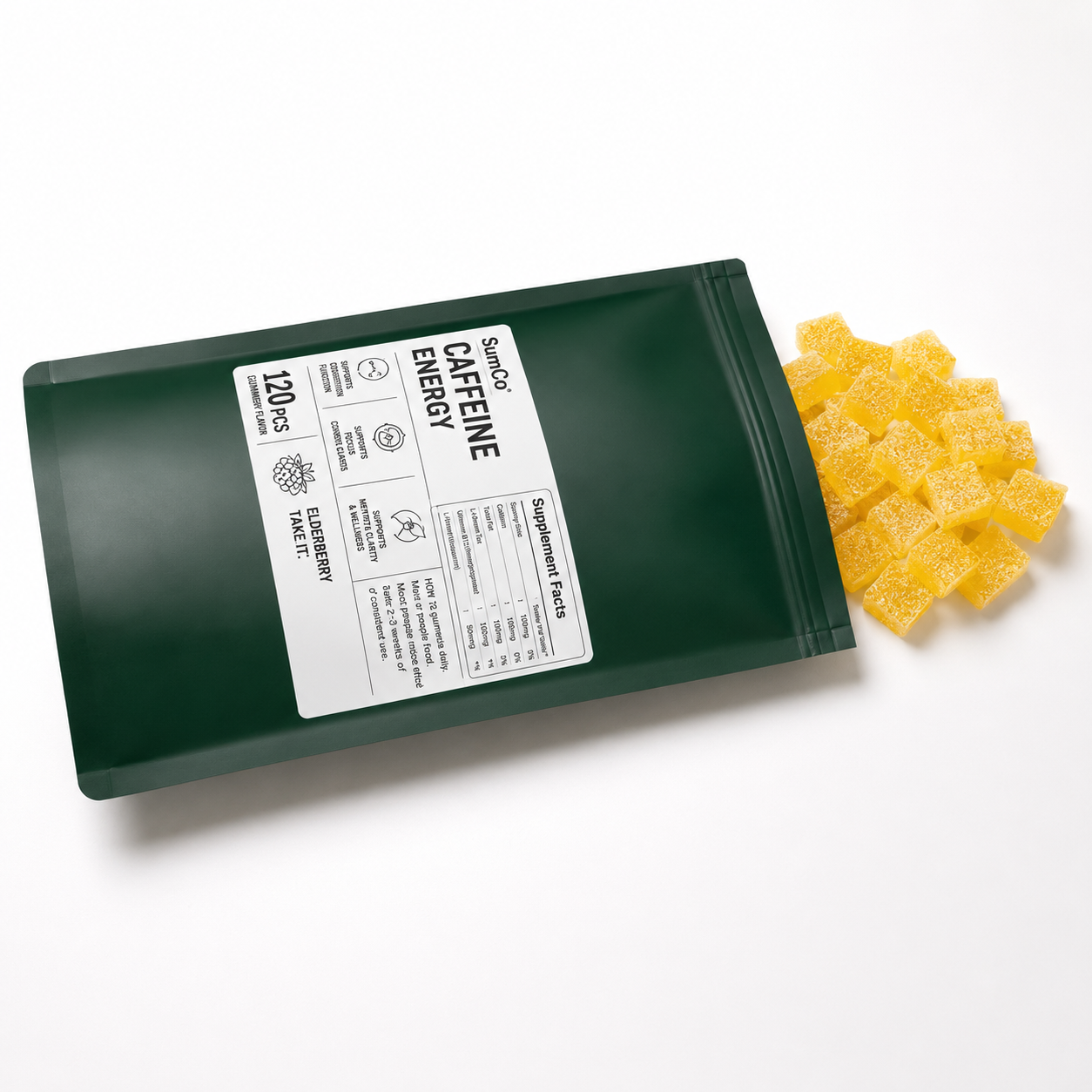
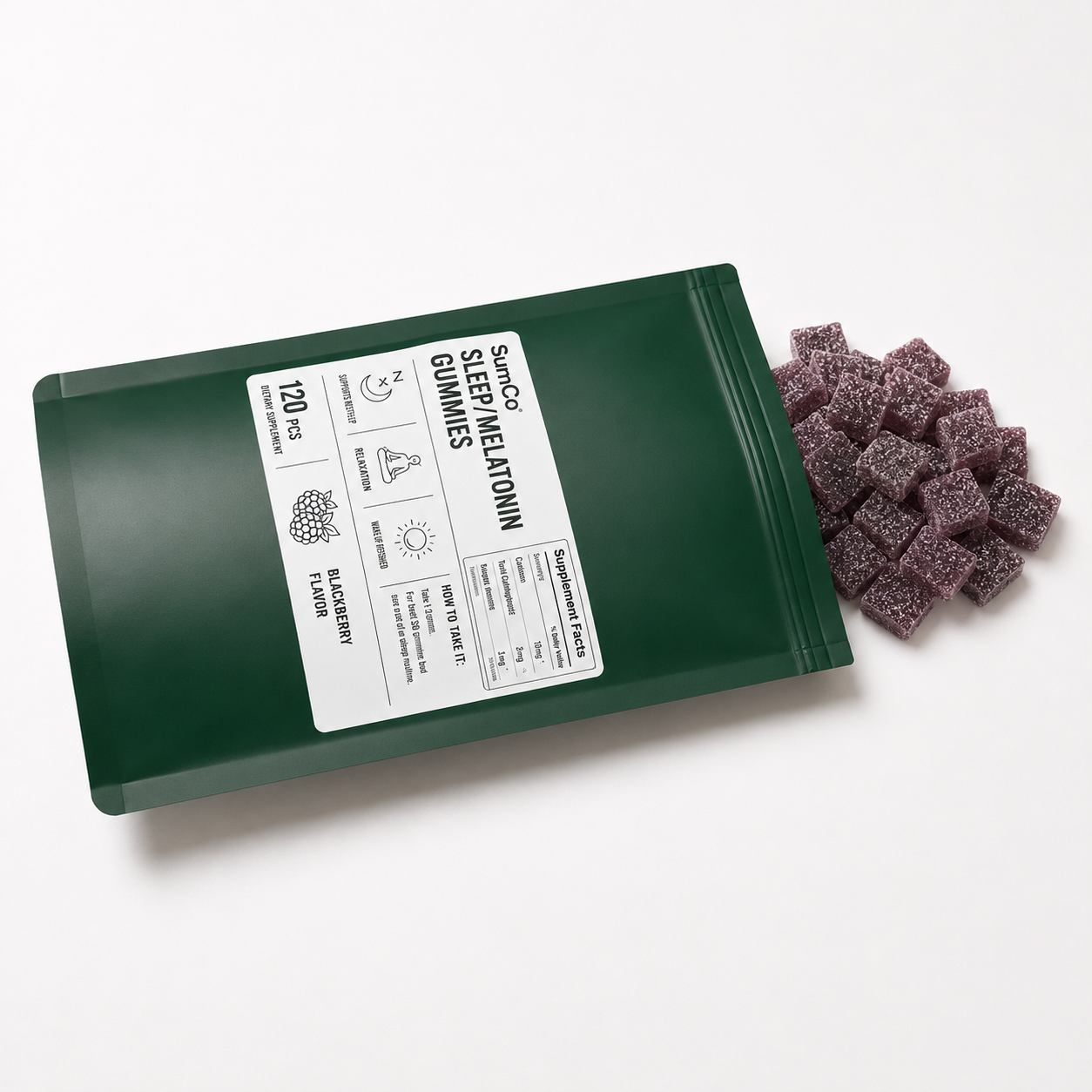
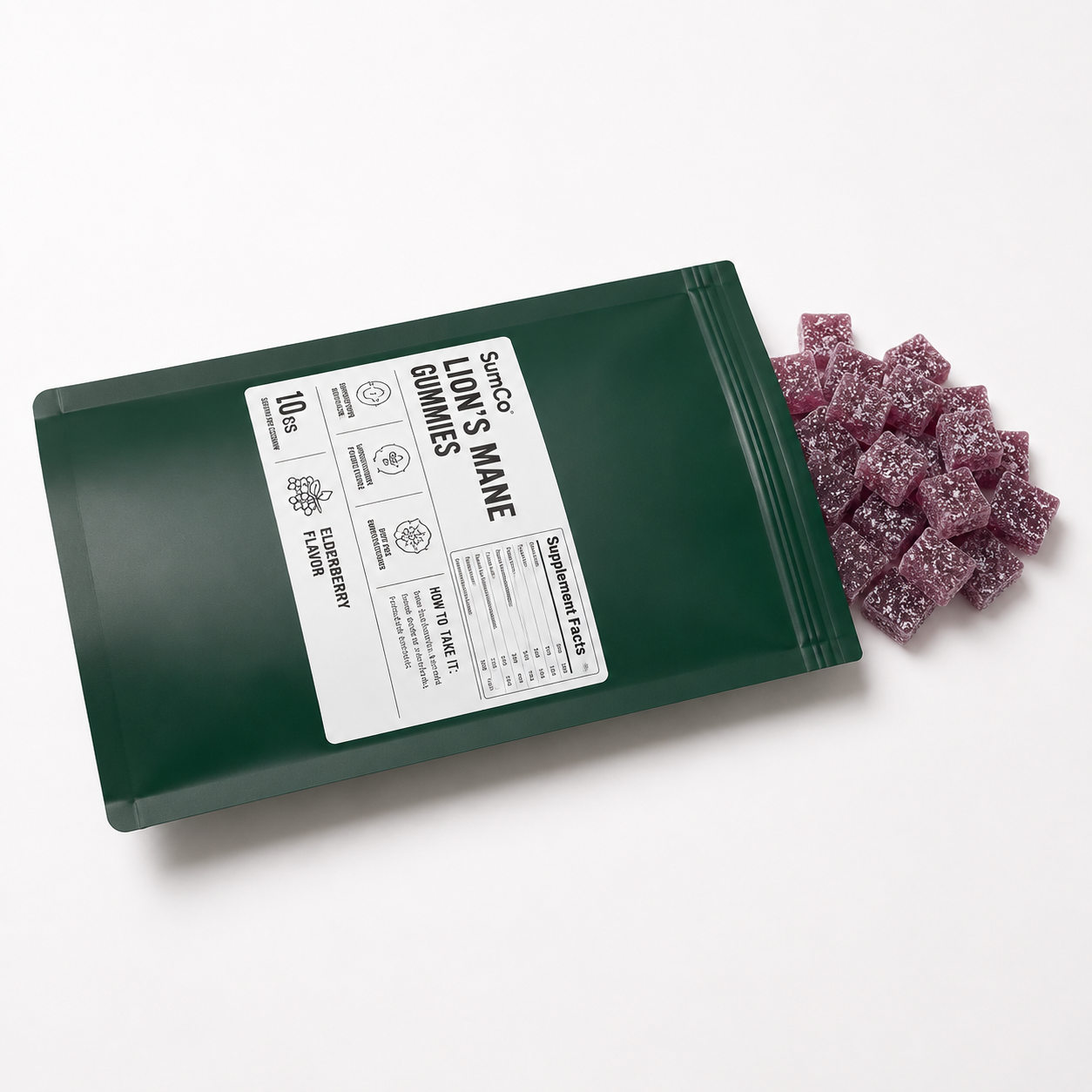
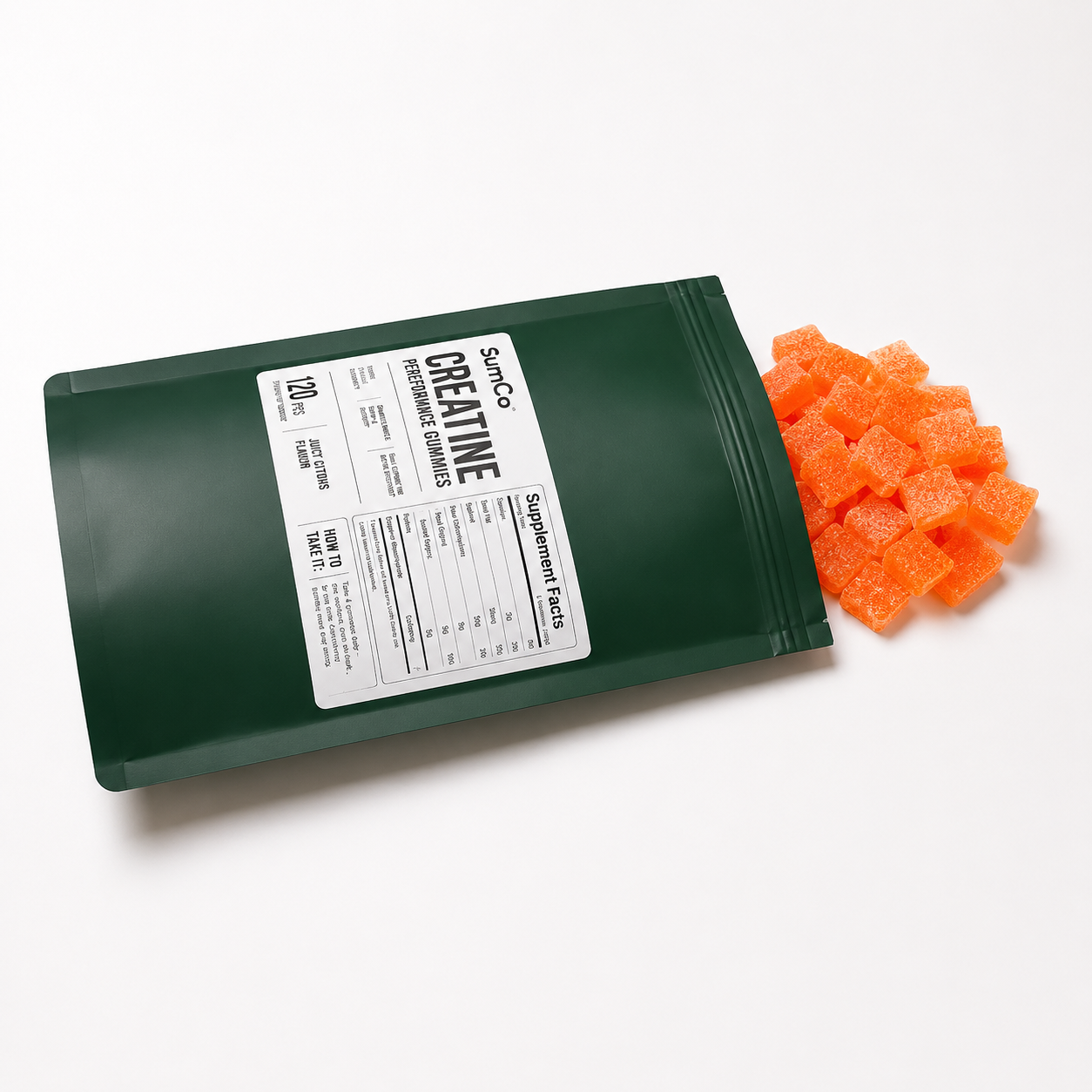
Every SumCo gummy is naturally flavored and naturally colored. The base is tapioca syrup and pectin — no gelatin — with sugar, citric acid, natural flavor, and natural color. No Red 40, no Yellow 5, no synthetic dyes of any kind.
That's the whole panel. It's printed on every product page alongside the actives and the nutrition facts, because the ingredient list shouldn't be the part you have to dig for.
How to read a gummy label
Scroll past the Supplement Facts panel to the "Other ingredients" line — that's where colors and flavors live. If you see a color with a number after it, it's synthetic. If you see "vegetable juice (color)" or "turmeric (color)," it's not.
Watch for "artificial flavor" listed without further detail, and for a panel that mentions a flavor system but never names a color at all. And treat a very uniform, very saturated color across every flavor in a lineup as a hint about how it was achieved.
Common questions
- Is natural flavor actually better than artificial flavor?
- Nutritionally they're close to equivalent — both are formulated ingredients present in tiny amounts. The practical differences are taste character and sourcing: natural flavor reads more like real fruit and starts from a plant source rather than a synthesized one.
- Why do your gummies vary in color between batches?
- Because the color comes from fruit and vegetable concentrates, which shift with harvest, heat, and light exposure. Synthetic dyes hold one exact shade forever; plant pigments don't.
- Are natural colors vegan?
- The colors we use are plant-derived, and our gummies use a pectin base rather than gelatin. Some natural colors used elsewhere in the industry, like carmine, are insect-derived — worth checking on any product you buy.
- Does naturally flavored mean sugar-free?
- No. Our gummies contain a small amount of sugar to make the format work — typically 3–4g per serving. Natural flavor and natural color describe sourcing, not sugar content.
- Do artificial dyes affect how a supplement works?
- There's no evidence that a dye changes how an active ingredient performs. The dye exists for appearance only, which is exactly why we don't think it's worth including.